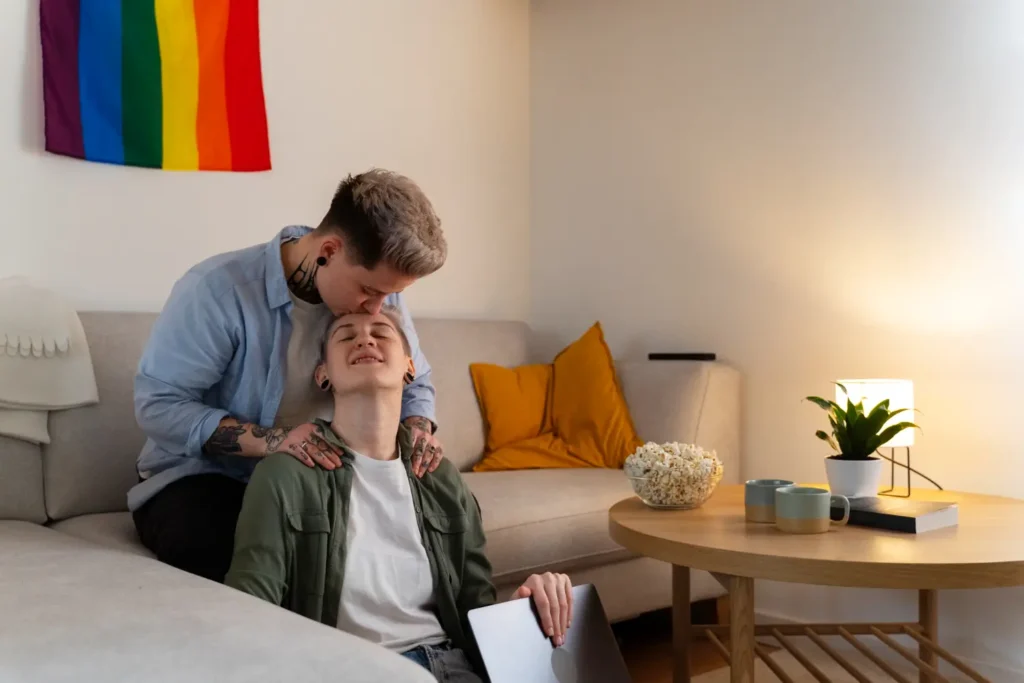
Author: Taylor Reed, Mental Health and Culture Writer
I still remember the first time someone I cared about opened up about their depression. They sat across from me in a coffee shop, eyes distant, voice uneven, and said something like “I don’t even know what normal feels like anymore.” At the time, I had no idea how deeply that moment would shape the way I think about mental health and identity.
Within the LGBT community in the United States, experiences with depression often look different than in broader society. The causes are complex, the challenges real, and the pathways toward wellbeing are uniquely intertwined with identity, belonging, and acceptance.
In this article, I want to talk about depression in LGBT people with honesty, empathy, and practical insight to cope with mental depression. I will speak from conversations I’ve had, stories I’ve witnessed, and research that helps explain what many feel but rarely articulate.
Why Mental Health Matters So Much
When we talk about mental depression, we are talking about more than just feeling sad occasionally. Depression can affect mood, energy, sleep, motivation, relationships, and even physical health. It is a clinical condition recognised by mental health professionals.
According to high authority resources like the U.S. National Institute of Mental Health (NIMH), depression includes persistent feelings of sadness or loss of interest that interfere with daily functioning. Their overview offers useful information about symptoms and treatments.
But within the LGBT community, depression often overlaps with external pressures that many people outside the community do not experience.
The Weight of Social Stigma
When I talk with LGBT friends about depression, one theme comes up again and again: the emotional drain of navigating social stigma. Even in cities that feel progressive, underlying assumptions still exist. Questions like “Are you sure?” or “Who are you really attracted to?” may seem small on the surface, but they chip away at confidence over time.
Family rejection, religious condemnation, and discriminatory remarks are not rare. Those experiences make everyday life more emotionally exhausting than it needs to be.
I have watched someone I care about go from confident and expressive to quiet and withdrawn after repeated subtle rejections. The visible depression did not begin in isolation. It appeared within a context of repeated invalidation.
Internalised Stress Is Hard to See
For many LGBT people, depression doesn’t start with overt hostility. It often begins more quietly, as a sense of not quite belonging.
Internalised homophobia or transphobia may develop when society’s negative messages are absorbed over time. This is one of the reasons depression rates are statistically higher among LGBT populations compared to the general public.
When your sense of self is constantly being evaluated, judged, or questioned, it can wear down even the strongest spirits.
Coming Out Does Not End the Struggle
I remember someone telling me that coming out felt like a relief, like finally breathing after holding it in for years. But they also admitted that relief was temporary. The world outside the closet didn’t automatically become kind.
In many cases, coming out simply marked the beginning of a new phase of emotional challenges. Relationships with family members changed. Workplace dynamics shifted. Friendships adjusted in unpredictable ways.
This is not to say coming out is negative. For many it is empowering. But it also moves identity into a more visible space where stressors can multiply.
Depression and Minority Stress
Clinicians and researchers often use the term “minority stress” to describe chronic emotional stress experienced by people in marginalised groups. For LGBT individuals, this can include experiences of rejection, prejudice, discrimination, and microaggressions.
Let’s be clear. Not every LGBT person will experience clinical depression. Many navigate their identities with resilience, joy, and strong support systems. But research suggests that the added emotional labour of minority stress increases vulnerability to mental health conditions, including depression.
When I think about minority stress, I remember conversations with young people who spoke about “emotional exhaustion” more than sadness. They did not wake up each day feeling joyful. They woke up needing to prepare for social navigation.
Relationships and Support Systems
Support really matters, and the kind of support you have can make a significant difference.
Many LGBT individuals find solace in chosen family. These are friends, partners, and supportive community members who provide emotional safety. I have seen chosen family become the strongest buffer against despair for some of the people I know.
On the other hand, when support is absent or negative, depression can deepen. A lack of acceptance from family of origin can leave long lasting emotional gaps that formal therapy and friendships help to fill, but cannot erase instantly.
What Depression Looks Like in Daily Life
Depression is not always dramatic. It can be subtle, slow, and persistent.
It might show up as:
• waking up with a sense of dread instead of motivation
• feeling numb rather than sad
• difficulty concentrating even on things you once enjoyed
• withdrawing from social events
• sleeping too much or too little
One friend described it as “existing inside a fog where everything feels heavy” — even the things you love.
Practical Steps for Navigating Depression
If you suspect you or someone you care about is experiencing depression, here are some practical approaches that people have found helpful:
- Talk to a mental health professional who understands LGBT issues. Therapists or counsellors with cultural competence can offer tailored support rather than generic advice.
- Build Supportive Networks. Whether online or in person, safe spaces matter. Organisations like The Trevor Project provide crisis support specifically for LGBT youth.
- Express Yourself Creatively. Journalling, art, movement, or other forms of expression can help process emotions that feel hard to name.
- Set Emotional Boundaries. Protect your energy by limiting contact with people who dismiss or invalidate your identity.
- Connect With Community Resources. Support groups, community centres, and peer counselling services often create a sense of belonging that feels healing.
These are not magic fixes. They are ongoing practices that help slow the downward pull of depression.
Barriers to Seeking Help
Despite the availability of resources, many LGBT people delay seeking help. Some fear being misunderstood. Others worry about discrimination within healthcare settings.
One barrier I hear a lot is simply not knowing where to start. Many individuals have never spoken to a therapist or counsellor before and feel overwhelmed by the process.
That is why education and outreach matter. When trusted providers advertise cultural competency and genuine acceptance, more people feel safe taking that first step.
When Professional Help Is the Best Option
Depression can be a temporary period of sadness or a persistent, clinical condition. Only a trained mental health professional can make that distinction accurately.
If feelings of hopelessness persist for weeks or months, or if daily functioning becomes difficult, that is a sign to reach out.
Even if you are uncertain, scheduling a consultation can offer clarity. Therapists do not judge. They listen, understand, and help map a way forward.
Depression in the LGBT community is neither a personal flaw nor a simple experience to navigate. It is shaped by social pressures, identity struggles, and internal emotional dynamics.
What I have come to understand is that healing involves both personal work and community support. Depression does not disappear overnight. But with compassion, connection, and appropriate care, people can find their footing again.
The journey toward wellbeing is real, raw, and uniquely human. It carries moments of doubt and resilience, struggle and triumph. And every step toward understanding ourselves and each other matters deeply.
Rainbow Wellness Hub was created from a simple observation. Conversations about identity, wellbeing, health, and confidence often exist in separate corners of the internet, even though they are deeply connected in real life.